Fintech
Hunt Score is HL Hunt’s attempt to make underwriting an embeddable utility
The AI underwriting product is pitched to lenders, dealers and platforms as a white-label decision engine, with bureau and alternative-data inputs, adverse-action notices and volume-based pricing.
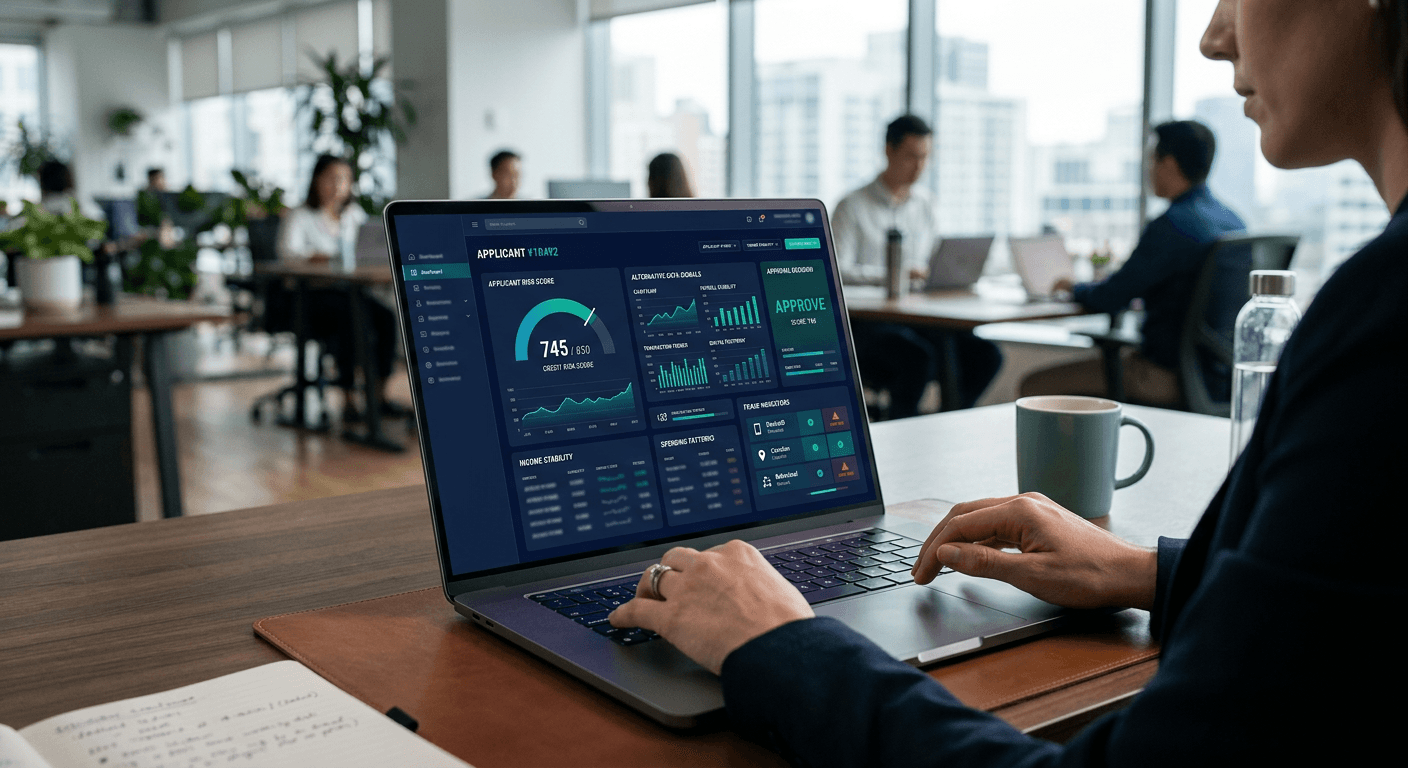
HL Hunt Financial’s Hunt Score is not another consumer credit-builder product. The company positions it as underwriting infrastructure that a lender, auto dealer, insurer or platform can place behind its own application flow, returning a decision while the applicant sees the partner’s brand rather than HL Hunt’s.
The product page says Hunt Score combines traditional bureau inputs such as FICO, VantageScore and tradeline history with alternative signals including bank-transaction data, rent payments and utility records. HL Hunt says the engine can produce an approve, decline or refer-to-manual decision in under 250 milliseconds, and can generate adverse-action notices when a decision requires an explanation. Those are product specifications published by the company, not independently tested latency results.
The advertised scope is unusually broad: more than 55 products spanning BNPL, auto loans and leases, rent screening, medical and education finance, gig-worker onboarding, business lending and commercial insurance. Delivery is described as either an embeddable widget or headless REST API, with higher plans adding full bureau pulls, custom risk-model training and advanced analytics.
HL Hunt lists three volume-based plans. Starter is $495 per month plus $2.50 per assignment for up to 100 monthly assignments; Growth is $1,495 plus $1.75 for up to 1,000; and Enterprise is $4,995 plus $0.95 per assignment with no listed cap. The declining per-decision fee makes the economics most attractive to a lender with meaningful application volume, while the fixed platform fee makes the product less obviously suited to occasional underwriting.
The page also claims 34% more approvals, defaults more than 50% lower than an unnamed traditional model, and a 99.7% pre-approval fraud-catch rate. HL Hunt does not publish the comparison model, test population, time period or audit behind those figures. A prospective user should therefore treat them as marketing claims and request validation data, fairness testing, adverse-action governance and licensing details before relying on the engine in a regulated decision process.
Company material cited
- HL Hunt AI Underwriting / Hunt Score page — Signals, decision latency, product coverage, delivery methods, pricing and company performance claims