Markets
ICE launches new tanker and container freight futures as Hormuz risk looms over shipping
The exchange operator added cash-settled contracts covering two major crude oil tanker routes and two container shipping corridors, giving traders and shippers new tools to hedge against freight-rate volatility.
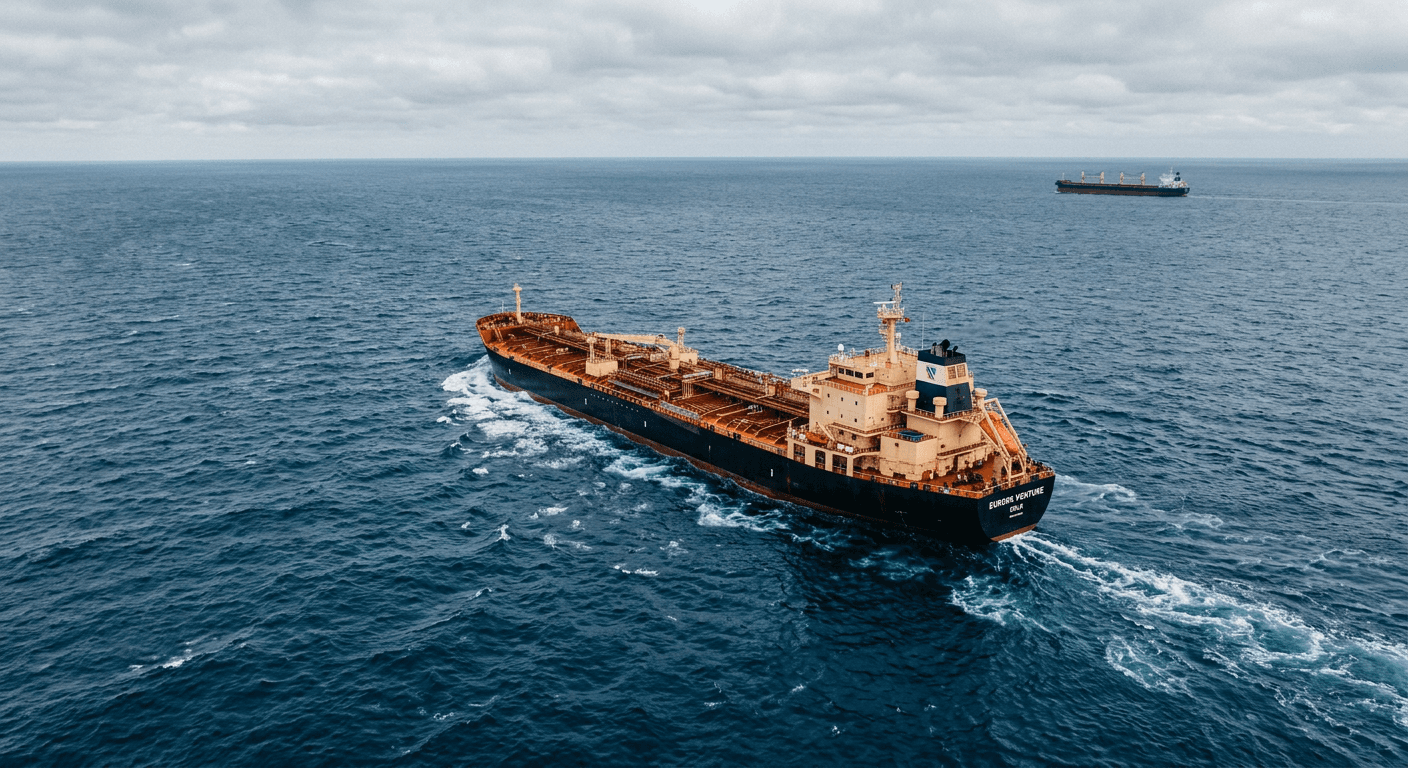
Intercontinental Exchange launched a set of new freight derivatives on October 5, 2026, giving shipping companies, oil traders, and commodity firms additional tools to hedge against swings in the cost of moving crude oil and containerized cargo by sea. The centerpiece of the launch is a pair of cash-settled tanker freight futures covering two major Very Large Crude Carrier routes: TD34, running from the Gulf of Oman to China, and TD15, running from West Africa to China.
Both tanker contracts settle against price assessments published by the Baltic Exchange, the long-established benchmark provider for dry bulk and tanker shipping rates. ICE has specifically framed the TD34 contract around the risk of restricted access through the Strait of Hormuz, the narrow waterway through which a large share of the world’s seaborne crude oil passes and which has periodically faced disruption risk tied to regional geopolitical tension. A futures contract tied to that route gives market participants a way to lock in freight costs or hedge against a spike in tanker rates if transit through the strait becomes more difficult or expensive.
Alongside the tanker futures, ICE introduced two new container freight average price options: FAN, covering the Asia-to-North-Europe corridor, and FAW, covering Asia-to-U.S.-West-Coast routes. Both are indexed to NYSHEX Freight Indices rather than the Baltic Exchange assessments used for the tanker contracts, reflecting the different benchmark providers that have emerged across the tanker and container segments of the freight market.
The four-contract launch extends ICE’s freight derivatives offering at a moment when global shipping routes have faced elevated attention over chokepoint risk, from the Strait of Hormuz to other contested maritime corridors. For an exchange operator, adding hedging instruments tied to specific geopolitical flashpoints is a direct bet that trading firms, shippers, and oil companies want more granular tools to manage route-specific risk rather than relying solely on broader energy or shipping indices — though actual trading volumes on the new contracts, which ICE has not yet disclosed, will determine whether that bet pays off.
Reporting drawn from
- Intercontinental Exchange product launch announcement, October 5, 2026 — TD34 and TD15 tanker freight futures settled against Baltic Exchange assessments; FAN and FAW container freight options indexed to NYSHEX Freight Indices